Coping With High-Stress Moments in Music: Auditions, Performances, and Everything in Between
Anabel Avendaño - Auditions might be one of the least enjoyable parts of being a musician, yet they're often the only gateway to certain opportunities. For many of us, the idea of stepping into a room, having one chance sometimes just a few minutes to show everything we've worked for feels overwhelming. People love to say «just enjoy it», «be present», or «try not to care too much».
But how do we actually do that?
Over the last few years I've realized that the tools musicians are often given «visualize success», «stay calm», «just breathe» only work when they're supported by real understanding: What actually happens to me under stress? How do I regulate my body? How do I prepare my nervous system, not just my fingers?
Sports psychology has decades of research on mental preparation, far more extensive than the current body of research in music performance. And there's good news: many of the techniques athletes use translate beautifully to our world.
This blog is a blend of personal experience and evidence-based strategies that have helped me become more grounded, aware, and resilient during high-pressure musical situations.
Understanding Your Stress Response Before Trying to «Fix» It
For a long time, I thought I wasn't a «nervous person». I didn't shake, didn't sweat, didn't notice the classic symptoms people talk about. I could chat calmly before an audition but the moment I started playing, my brain would tighten. Negative thoughts came rushing in. I avoided looking at the jury because it felt like «making the situation real». In doing so, I disconnected from the room and from myself. My body would tense, and I would feel strangely numb.Learning to recognize this, not judge it was a turning point.
Performance anxiety doesn't look the same for everyone. Some people shake. Some people freeze. Some people over-focus; others dissociate. Becoming aware of your own patterns lets you intervene earlier and more effectively. Sometimes this awareness helps transform nerves into energetic adrenaline. Other times it simply helps you notice tension and soften it, even a little.
Awareness is the first tool of regulation.
Visualization: Not Just «Imagine Success»
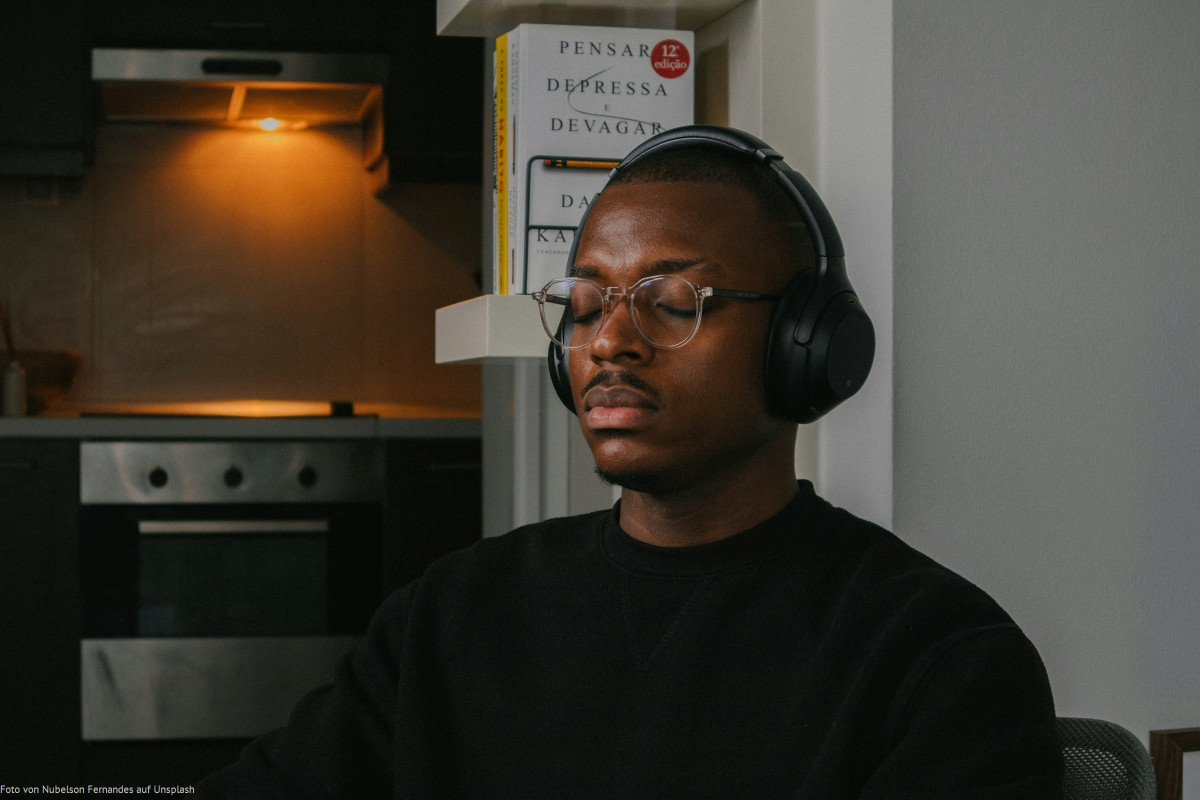
Visualization is often mentioned in music, but rarely fully explained. In sports psychology, it's one of the most validated mental training methods. Studies show that imagery practice can improve motor coordination, reduce anxiety, and activate neural pathways similarly to physical practice (Moran, 2012; Guillot & Collet, 2008).
But the important part is how you visualize.
Many musicians only imagine the perfect outcome. That’s helpful, but incomplete.
What works better is practicing both:
Outcome visualization – imagining yourself with the desired sound, phrasing, expressing freely, finishing confidently.
Process visualization – imagining the steps: entering the room, feeling your hands, hearing the first note, regulating your breath, acknowledging nerves and responding to them. Process visualization makes the situation familiar. You’re not thrown into the unknown; you’re stepping into something you've mentally rehearsed many times.
During practice sessions, this kind of visualization can enrich the entire experience. You’re not just playing notes; you're mentally simulating sound, intention, flexibility, and physical responsiveness. Your preparation becomes more intentional and more connected to how you want to show up under pressure.
Even dedicating 10–15 minutes a day to this form of visualization can make the audition space feel less threatening.
Grounding During the Actual Moment
Grounding is the act of bringing yourself back to the present, especially when your body wants to escape the situation.
Breathwork
Diaphragmatic breathing is one of the simplest and most reliable techniques. Slow inhalation through the nose, allowing the belly to expand, a small pause, and a long exhale can reduce heart rate and activate the parasympathetic nervous system (Ma et al., 2017).I love this because it's discreet. You can do it in the hallway, during the walk to the stand, or even between excerpts.
Sensory activation
This is something I learned later, and it changed everything. Activating your senses anchors you in your body:- feeling the warmth of a cup of tea
- gently touching your hands or arms
- noticing your feet on the floor
- listening to the resonance of your sound during warm-up
These tiny sensations bring you out of spiraling thoughts and into the present moment.

Environmental grounding
Even looking out a window and appreciating a view can regulate the nervous system. Waiting rooms can feel sterile and tense; finding something pleasant to look at or to imagine helps soften the edges of the stress.And very importantly: eat. Audition days sometimes involve long hours of waiting, and certain foods can make anxiety worse like too much sugar or coffee for example. Warm drinks, dark chocolate, small snacks, just know your own reactions and nourish yourself accordingly.
Using Sound as Your Anchor
Our instruments aren't just tools, they can be grounding companions. A warm-up focused on resonance, breath, and sensation (rather than perfection) can reconnect your mind and body.Sound is one of our most direct pathways back into the present, doing long notes, work on bow changes, connection, flowy scales, feel the fingers drop and see the reaction of the string and different contact points all while feeling a healthy posture can be a way to redirect the focus to what more valuable to the music making.
Developing Real Mental Toughness (Not the Harsh Version)
The word mental toughness is thrown around a lot, especially in competitive environments. But in research, mental toughness is not about suppressing emotions or pushing yourself mercilessly. It’s about:- meaningful goals
- resilience
- emotional regulation
- self-belief
- flexibility
Stronger and more sustainable are identity-driven goals:
- What kind of musician do I want to be?
- How do I want to express myself?
- What skills do I need to feel free and confident on stage?
- How do I want to experience my own growth?
This mindset builds internal motivation rather than anxiety-driven pressure.
To develop this kind of toughness, it helps to:
- record yourself regularly
- expose yourself to low-stakes performance situations
- receive feedback without personalizing it
- ask better questions about what truly matters to your artistry
Final Thoughts
Coping in high-stress situations isn't about eliminating nerves. It's about knowing yourself well enough to regulate your mind and body when it matters. It’s about preparing intentionally, technically, mentally and physically. And it's about building the kind of musical identity that doesn't collapse under pressure, but transforms it into expression.These tools don’t guarantee perfection. But they help you show up more fully awake, aware, and connected to the moment rather than overwhelmed by it.
Sources:
https://www.verywellmind.com/coping-with-stress-using-self-soothing-skills-2797579
https://cardahealth.com/post/breathing-exercises-to-lower-heart-rate
https://www.frontiersin.org/journals/psychology/articles/10.3389/fpsyg.2017.00874
https://www.peaksports.com/sports-psychology-blog/mental-toughness-in-pressure-situations/
Add comment
Viola Newsletter |
 Do you don't want to miss any news regarding viola anymore? Our monthly viola news letter will keep you informed.
» Subscribe to our viola letter for free
|
|
 Visit us on Instagram and don't forget to join our music community and share your thoughts about the composer or any other viola-related ideas!
» Music4Viola on Instagram
|
|
 Visit and like us on Facebook. The news articles are also posted.
» Music4Viola on Facebook
First StepsEducational Catalogue for the Viola |



Moving UpEducational Catalogue for the Viola |



MasteryEducational Catalogue for the Viola |